Douglas Haig, 1st Earl Haig
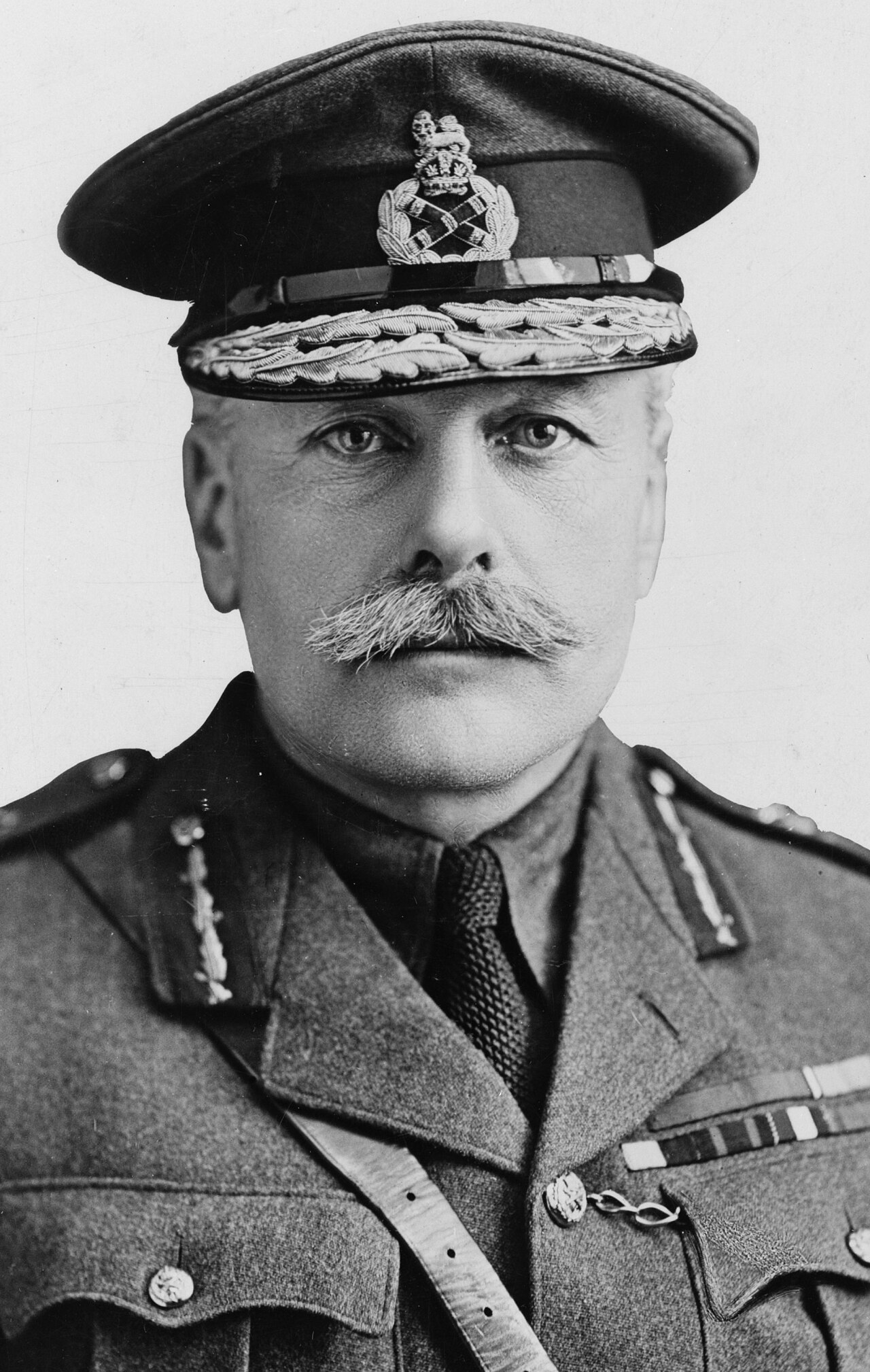
British field marshal who commanded the BEF in the First World War.

Miscellaneous Items in High Demand, PPOC, Library of Congress · Public domain
- field
- Military
- nationality
- British
- known_for
- Command of the British Expeditionary Force on the Western Front during the First World War
Lore & Background
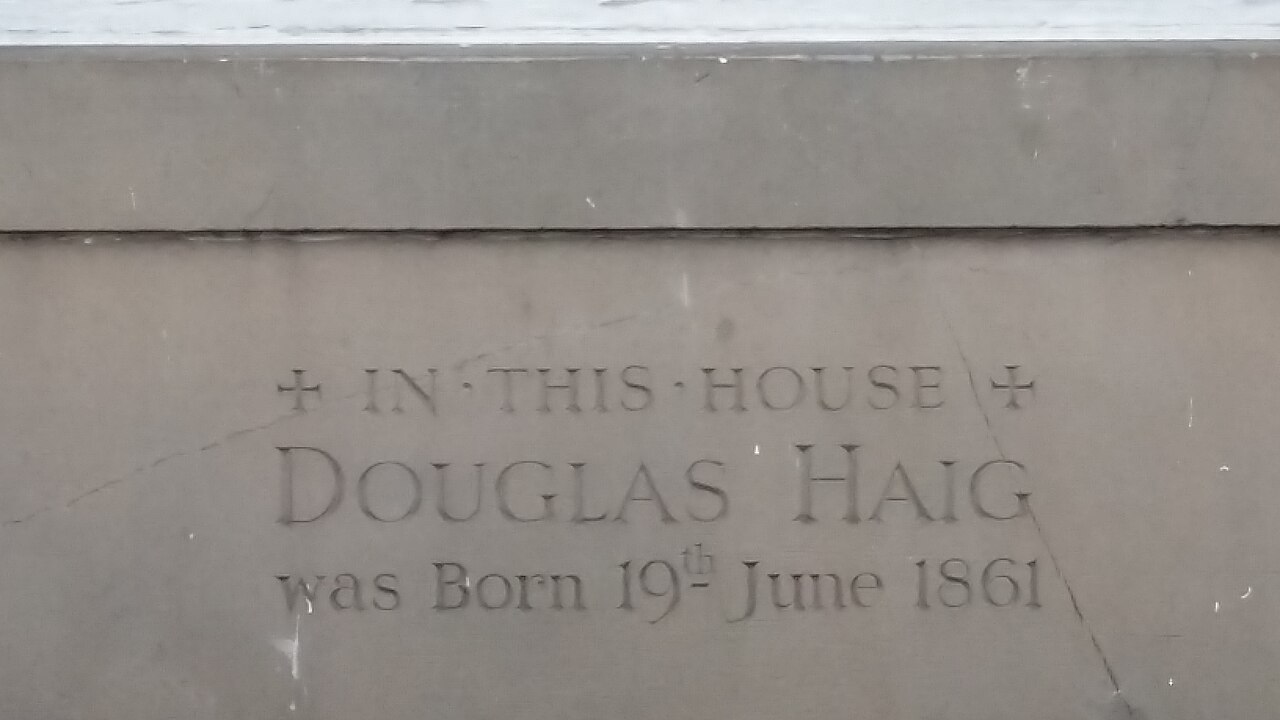
Haig was born in a house on Charlotte Square, Edinburgh, to John Haig, a successful whisky distiller, and Rachel Veitch, from a well-to-do Scottish gentry family. He was educated at several schools, including Clifton College, and studied at Brasenose College, Oxford, where he was a member of the Bullingdon Club and the university polo team.
Reader's Guide
Haig's legacy is deeply contested. During the immediate post-war years he gained a favourable reputation, with his funeral a day of national mourning. However, beginning in the 1960s, he has been widely criticised for his wartime leadership, earning the nickname 'Butcher Haig' for the two million British casualties under his command.
Did You Know?
- He risked his life rescuing a wounded Sudanese soldier under enemy fire during the Mahdist War, though there is no credible evidence that he was recommended for the Victoria Cross for this act.
A Whisky Heir's Path to the Sandhurst Top
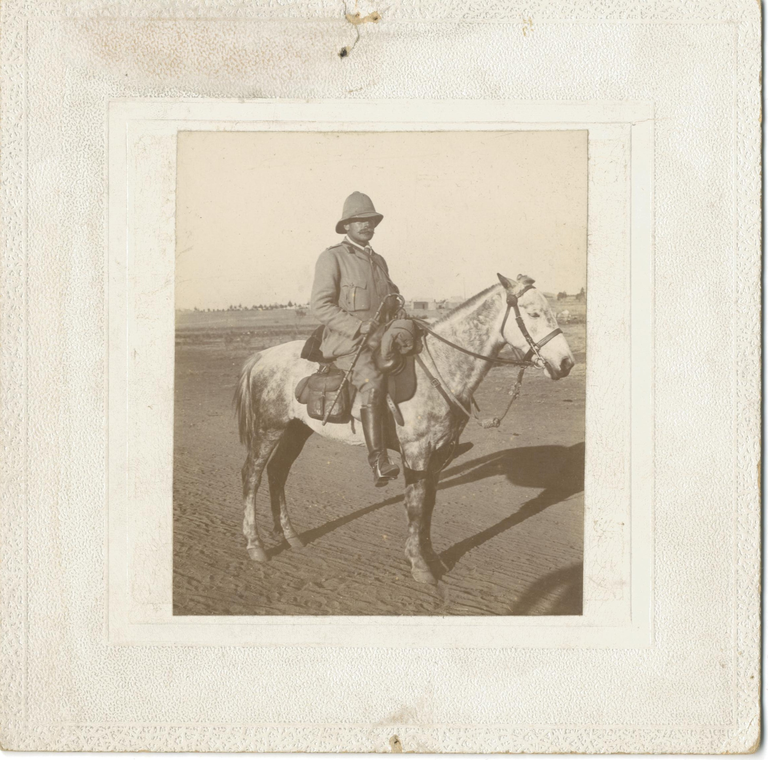
Born on 19 June 1861 in a Charlotte Square house in Edinburgh, Douglas Haig grew up in considerable wealth. His father, John Richard Haig, headed the family's prosperous whisky distillery and earned roughly ten thousand pounds a year — an extraordinary sum in that era — though he struggled with alcohol. His mother Rachel came from a much humbler gentry background. The family's country seat was Haig House in Windygates, Fife. Young Douglas passed through several schools, from St Andrews to Clifton College, and by eighteen both parents were gone. He then spent three years at Brasenose College, Oxford, studying political economy, ancient history, and French literature, but devoted equal energy to the Bullingdon Club, polo, and equestrian pursuits. He was among the finest young horsemen in the university and played on the polo team. He also took his first two Masonic degrees in a Fife lodge, not completing the third until 1920. Though he passed his Oxford final, illness cost him a term's residence and thus a degree. At Sandhurst in 1884 he was notably older than most of his classmates, yet he finished first in the order of merit, won the Anson Sword, and was commissioned a lieutenant in the 7th Hussars in February 1885.
The Mathematics That Almost Ended a Career
After a brief tour of the United States with his brother, Haig's early officer career took him to India in late 1886, where he became regimental adjutant by 1888. Superiors noted his administrative skill, and he was promoted to captain in January 1891. He left India in 1892 to prepare for the Staff College entrance examination, which he sat in June 1893. Although he placed within the top twenty-eight available places, he narrowly failed the compulsory mathematics paper and was not admitted. He concealed this setback for the rest of his life and, by 1910, recommended that the mathematics requirement be dropped. Adjutant-General Sir Redvers Buller, lobbied to nominate Haig for a reserved slot, refused on grounds of colour blindness, despite a German oculist clearing his eyesight. It has been suggested Buller simply wanted the place for an infantry officer. Haig returned briefly to India, then became aide-de-camp to Inspector General of Cavalry Sir James Keith Fraser. While awaiting a nomination, he travelled to Germany to observe cavalry manoeuvres and served as staff officer to Colonel John French, whose career would remain intertwined with Haig's for twenty-five years. Together they helped produce the cavalry drillbook of 1896. Haig finally entered Camberley in 1896 and completed the course in 1897, impressing the chief instructor though he was not especially popular with fellow officers.
Commanding the BEF and the Road to Armistice
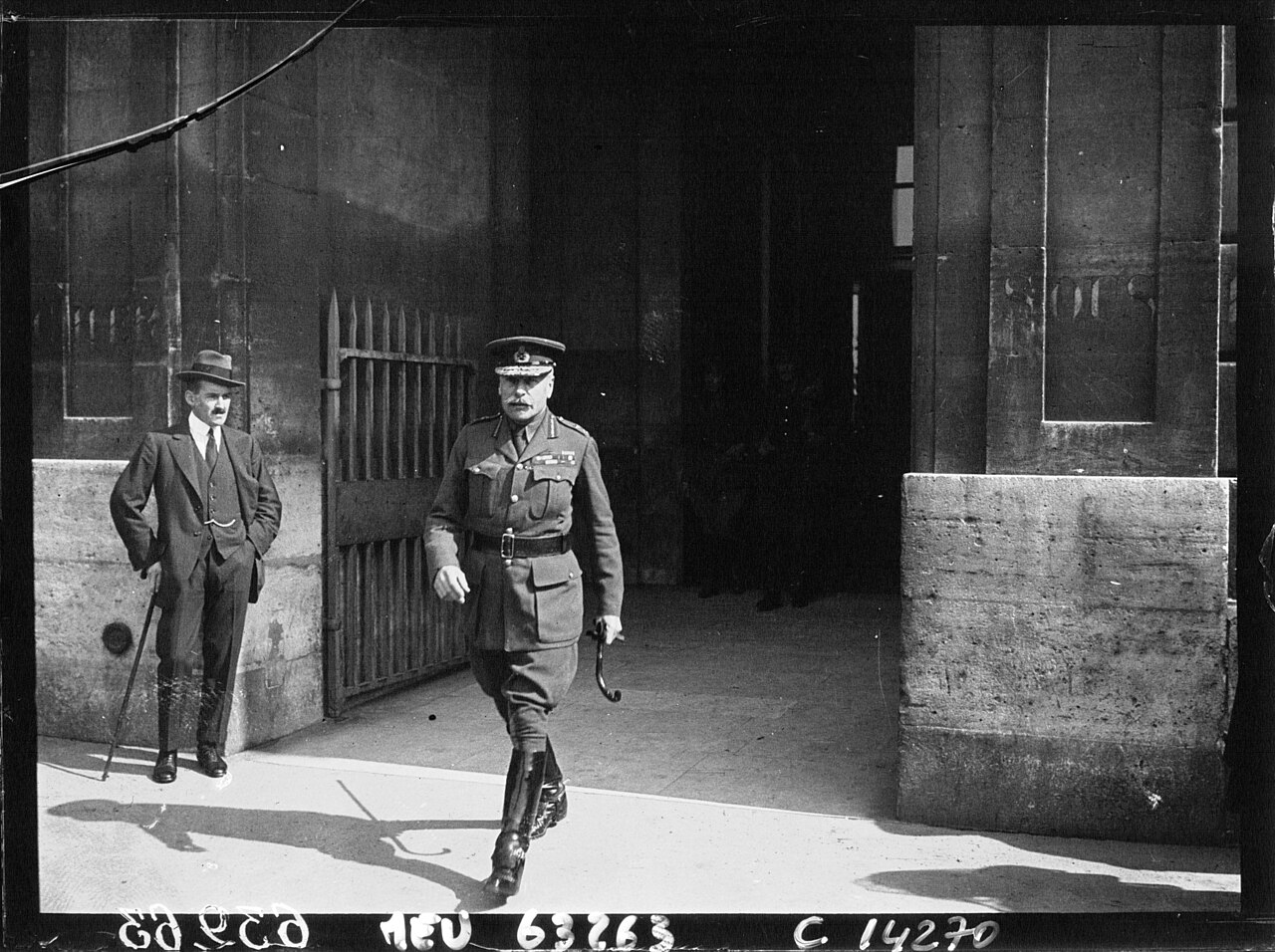
Before the Great War, Haig served in the War Office, where he played a key role in creating the Territorial Force in 1908. When the conflict began, he rose to command the British Expeditionary Force on the Western Front from late 1915 until the war's end. In January 1917 he was promoted to the rank of field marshal. Under his leadership the BEF carried out the final Hundred Days Offensive in 1918, a sustained series of attacks that, combined with the Kiel mutiny, the Wilhelmshaven mutiny, the proclamation of a German republic on 9 November 1918, and revolution spreading across the country, brought about the armistice of 11 November 1918. A number of historians consider this to be among the most significant triumphs ever won by a force led by Britain. Haig also remained a lifelong polo enthusiast, serving as Chairman of the Hurlingham Polo Association from 1914 to 1922, President of the Army Polo Committee, and founder of the Indian Polo Association.
Butcher Haig and the Long Argument
In the years immediately after the armistice, Haig enjoyed a broadly favourable public standing, and his funeral on 29 January 1928 was observed as a day of national mourning. Yet even during his lifetime he attracted prominent detractors, and from the 1960s onward his wartime leadership became a target of sustained criticism. He was branded "Butcher Haig" because of the two million British casualties sustained under his command. The Canadian War Museum has noted that the great set-piece attacks at the Somme in 1916 and Passchendaele in 1917 are now widely associated with the senseless slaughter and apparent futility of the Great War. Beginning in the 1980s, a growing body of scholarly work has contended that popular revulsion toward Haig has failed to acknowledge the introduction of novel tactics and technologies within his armies, the decisive contribution British forces made to the allied triumph of 1918, and the reality that the staggering casualty tolls were an inevitable by-product of the tactical and strategic conditions of the period.
Gallery
Frequently Asked Questions
Who is Douglas Haig, 1st Earl Haig?
He was a British field marshal best known for commanding the British Expeditionary Force on the Western Front throughout the First World War. He was later elevated to the peerage as the 1st Earl Haig.
What role did Douglas Haig hold during World War I?
From 1915 until the Armistice, he directed the BEF and its allied Commonwealth forces in major set-piece battles such as the Somme, Passchendaele, and the final Hundred Days Offensive of 1918.
Why is Douglas Haig so often the subject of controversy?
Critics blame his perceived insistence on frontal assaults for the staggering losses at the Somme and Passchendaele, while defenders counter that his tactics evolved and culminated in the successful Allied breakthrough of 1918.
What happened to Haig after the war ended?
He stepped down from active command, received his earldom in 1919, and lived out his remaining years in relative private life until his death in 1928.
Why does Douglas Haig matter in the study of World War I?
As the senior British commander on the Western Front for most of the conflict, his strategic choices and the cost of his campaigns remain a focal point of military-historical debate to this day.
More in Military Commanders Of The World Wars 1-24
Spotted an error? Know more?
This is a living reference — every entry is fact-audited, and reader corrections feed straight into our audit queue. Suggest an edit · See this site's audit record