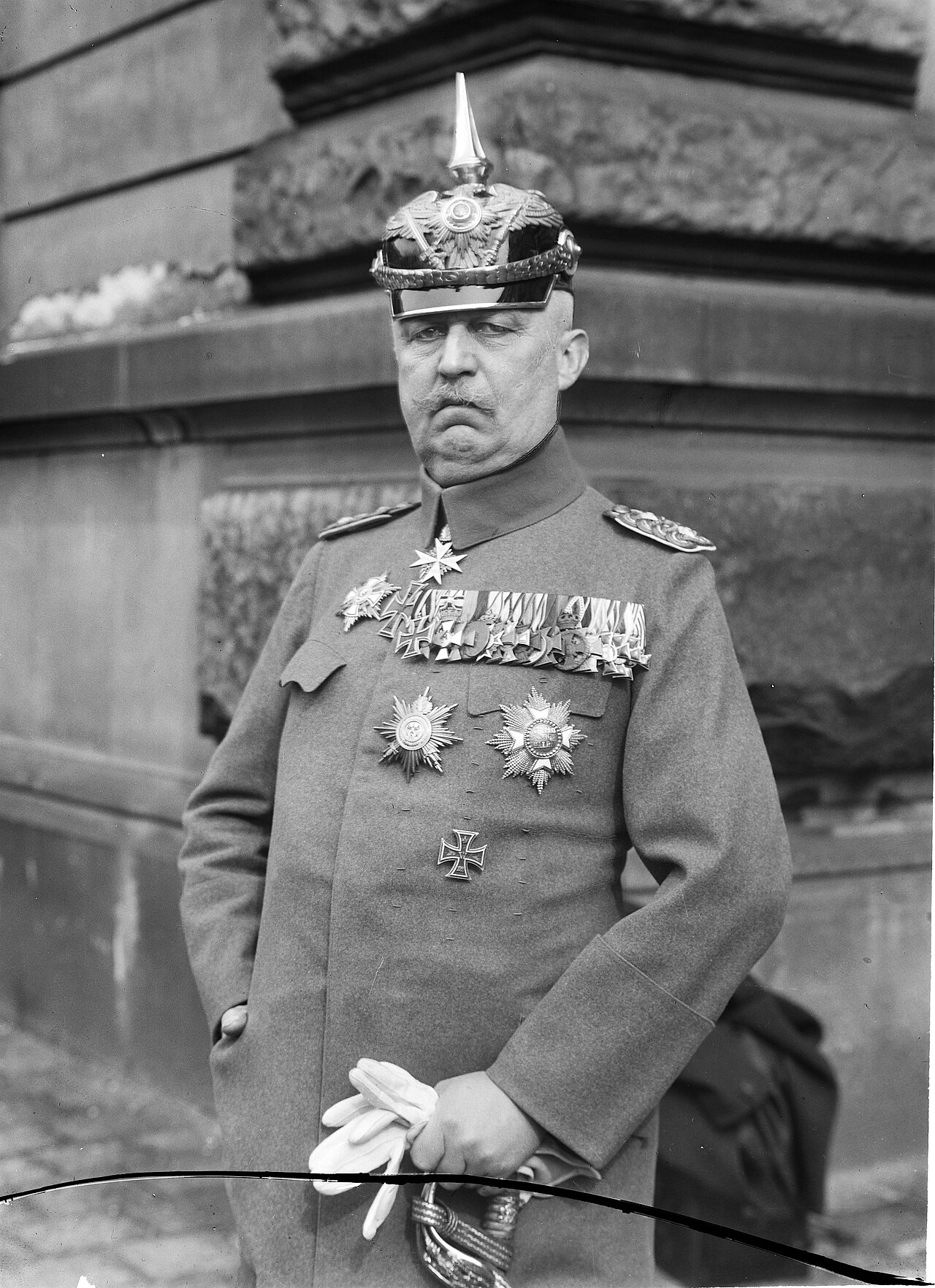
Erich Ludendorff
German general who shaped WWI strategy and later backed Hitler's 1923 Beer Hall Putsch.

This tag does not indicate the copyright status of the attached work. A normal c · CC BY-SA 4.0
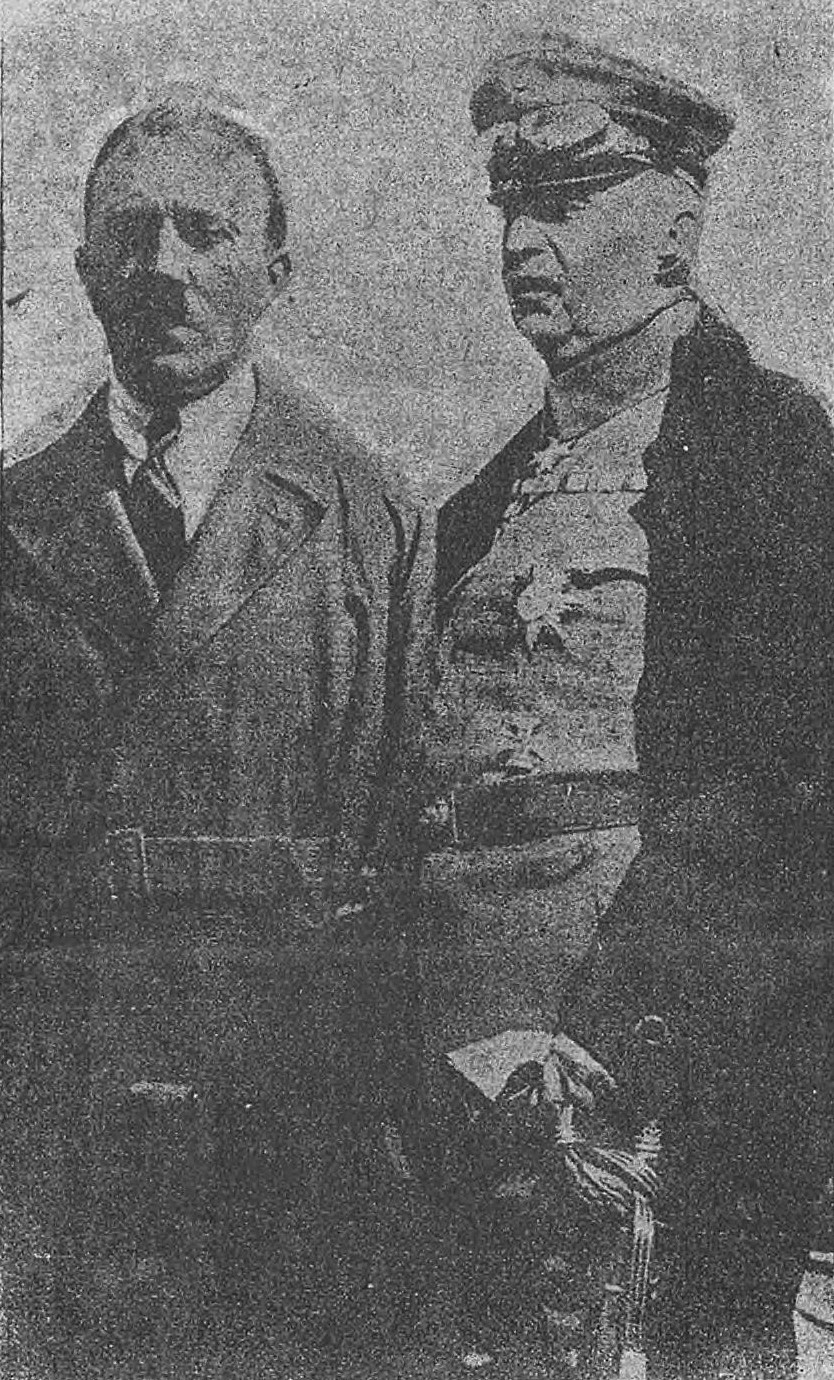
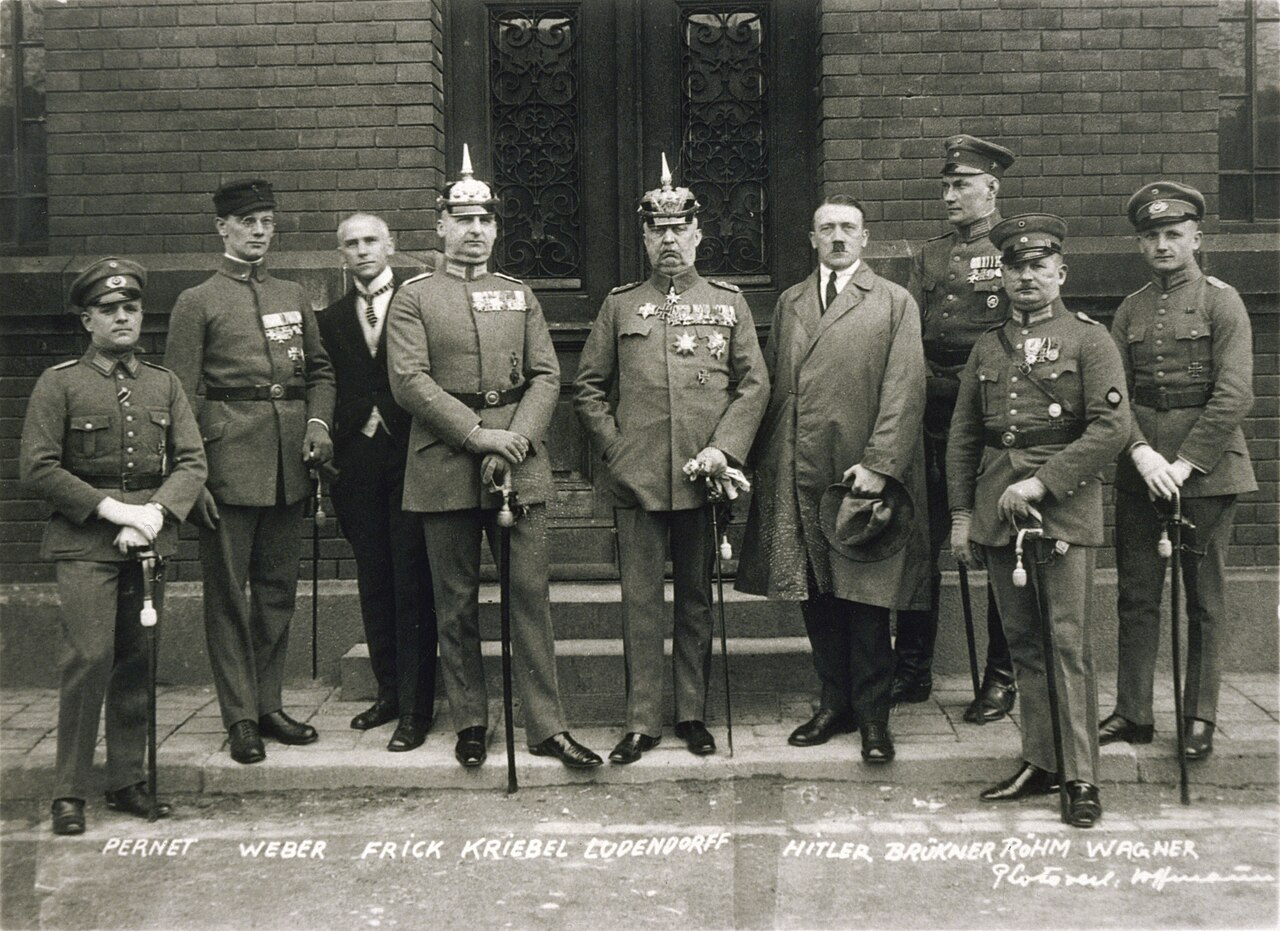
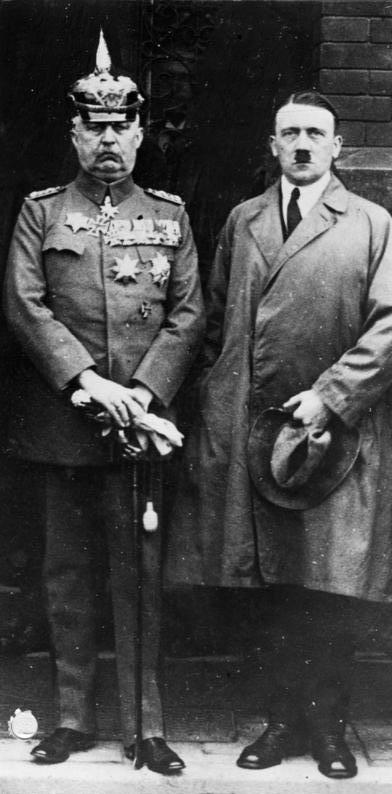
Erich Friedrich Wilhelm Ludendorff was a Prussian-born German general and politician who achieved fame during World War I for his central role in the German victories at Liège and Tannenberg in 1914. After his appointment as First Quartermaster General of the Great General Staff in 1916, he oversaw virtually all decisions regarding Germany's strategy and war effort until the country's defeat in 1918. Later during the years of the Weimar Republic, he took part in Adolf Hitler's 1923 Beer Hall Putsch, thereby contributing significantly to Hitler's rise to power.
- born
- 9 April 1865, Kruszewnia, Province of Posen, Kingdom of Prussia
- died
- 20 December 1937, Munich, Germany
- field
- Military general and politician
- nationality
- Prussian-born German
- known_for
- Central role in German victories at Liège and Tannenberg (1914); First Quarterma
Verified Timeline
Lore & Background
Erich Ludendorff was born on 9 April 1865 in Kruszewnia near Posen, in the Province of Posen and Kingdom of Prussia, the third of six children. His father was descended from Pomeranian merchants who had been raised to the status of a Junker. His mother came from a noble but impoverished family, and through her side Ludendorff was a remote descendant of the Counts of Dönhoff, the Dukes of Liegnitz and Brieg, and the Margraves and Electors of Brandenburg. He had a stable childhood on a small family farm, received early schooling from a maternal aunt, and showed a gift for mathematics. Upon passing the entrance exam for the Cadet School at Plön with distinction, he was put in a class two years ahead of his age group and thereafter was consistently first in his class. He was commissioned as a junior officer in 1885, entered the War Academy in 1893, and was recommended to the General Staff in 1894. By 1904 he had joined the Great General Staff, where he helped oversee the development of the Schlieffen Plan.
Reader's Guide
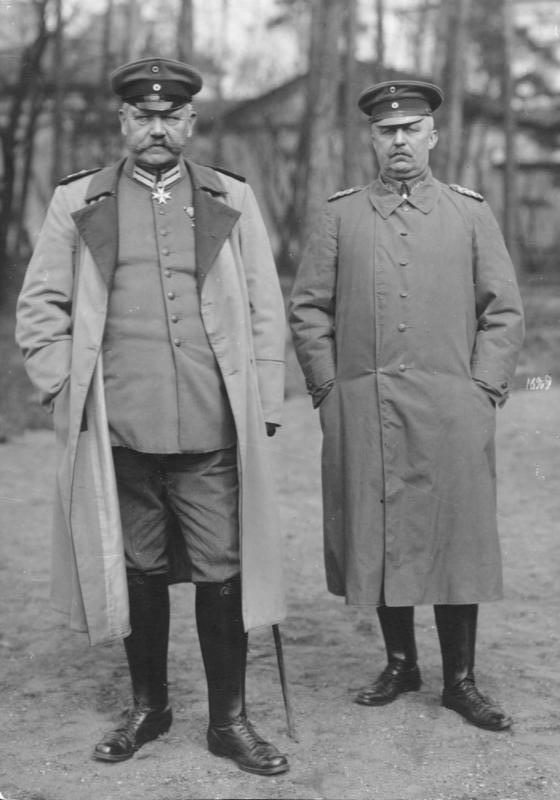
Ludendorff's military career peaked during World War I. In August 1914, he led the successful German assault on Liège, earning him the Pour le Mérite. On the Eastern Front under General Paul von Hindenburg, he was instrumental in inflicting crushing defeats against the Russians at Tannenberg and the Masurian Lakes. By the end of August 1916, Ludendorff successfully lobbied for Hindenburg's appointment as head of the Supreme Army Command and his own promotion to First Quartermaster General. Once he and Hindenburg established a military dictatorship in all but name, Ludendorff directed Germany's entire military strategy and war effort for the rest of the conflict. He secured Russia's defeat on the Eastern Front and launched a new wave of offensives on the Western Front resulting in advances not seen since the war's outbreak. However, by late 1918, all improvements were reversed after a string of defeats culminating in the Allies' Hundred Days Offensive. Faced with the war effort's collapse and a growing popular revolution, Kaiser Wilhelm II forced Ludendorff to resign. After the war, he became a prominent nationalist leader and promoter of the stab-in-the-back myth, took part in the failed 1920 Kapp Putsch and 1923 Beer Hall Putsch, and unsuccessfully stood in the 1925 election for president. He retired from politics and devoted his final years to the study of military theory, writing The Total War, where he argued that a nation's entire physical and moral resources should remain forever poised for mobilisation because peace was merely an interval in a never-ending chain of wars. He died from liver cancer in Munich in 1937 and was given a state funeral organised and attended by Hitler.
Did You Know?
- Ludendorff was awarded the Pour le Mérite on 8 August 1914 for his role in the victory at Liège; the oak leaves were added on 22 August 1914.
- He was a remote descendant of the Counts of Dönhoff, the Dukes of Liegnitz and Brieg, and the Margraves and Electors of Brandenburg through his mother's side.
- At age 45, Ludendorff married Margarethe Schmidt, who divorced her husband to marry him, bringing three stepsons and a stepdaughter.
- He resigned on his own initiative on 26 October 1918 as Germany's war effort collapsed and revolution spread.
- Despite his explicit wishes, Ludendorff was given a state funeral organised and attended by Hitler after his death from liver cancer in 1937.
Gallery
Frequently Asked Questions
Who is Erich Ludendorff?
Erich Friedrich Wilhelm Ludendorff was a Prussian-born German general and politician best known for his dominant influence on Germany's World War I war effort and his later entanglement with the early Nazi movement.
What are Ludendorff's most famous military victories?
He is most celebrated for his central role in the German breakthroughs at Liège and Tannenberg in 1914, which cemented his reputation as a brilliant operational commander.
What was Ludendorff's role in WWI strategy?
Appointed First Quartermaster General of the Great General Staff in 1916, he effectively controlled virtually every major strategic and operational decision for Germany until the country's collapse in 1918.
How did Ludendorff connect to Hitler's rise?
During the Weimar Republic era he took part in the 1923 Beer Hall Putsch alongside Adolf Hitler, an episode that helped elevate Hitler's political profile and contributed to his eventual path to power.
When and where was Ludendorff born and when did he die?
He was born on 9 April 1865 in Kruszewnia, Province of Posen, Kingdom of Prussia, and died on 20 December 1937 in Munich, Germany.
More in Military Commanders Of The World Wars 1-24
Spotted an error? Know more?
This is a living reference — every entry is fact-audited, and reader corrections feed straight into our audit queue. Suggest an edit · See this site's audit record