Erich von Manstein
German field marshal convicted of war crimes.

Lutz Koch · CC BY-SA 3.0 de
Erich von Manstein was a German Generalfeldmarschall (Field marshal) in the Heer (Army) of Nazi Germany during World War II. He is known for devising the Sichelschnitt ('sickle cut') plan for the invasion of France and for his command on the Eastern Front, including the failed relief effort at Stalingrad and the counteroffensive at Kharkov. After the war, he was convicted of war crimes and later helped cultivate the myth of the clean Wehrmacht.
- field
- Military officer
- nationality
- German
- known_for
- Sichelschnitt plan, Operation Winter Storm, Third Battle of Kharkov, Battle of Kursk
Lore & Background
Erich von Manstein was born Fritz Erich Georg Eduard von Lewinski in Berlin into an aristocratic Prussian family with a long history of military service. He was adopted by his aunt and uncle, Lieutenant General Georg von Manstein and Hedwig von Sperling. Manstein served on both the Western and Eastern Fronts during the First World War, rising to the rank of captain. In the inter-war period, he helped Germany rebuild its armed forces. During the Second World War, he served as Chief of Staff to Gerd von Rundstedt's Army Group South during the invasion of Poland. Adolf Hitler chose Manstein's strategy for the invasion of France, a plan later refined by Franz Halder and other members of the OKH. Manstein's innovative operation, later known as the Sichelschnitt, called for an attack through the Ardennes and a rapid drive to the English Channel, cutting off Allied forces in Belgium and Flanders.
Reader's Guide
Manstein's significance lies in his role as a senior German commander during World War II and his post-war influence on historical memory. On the Eastern Front, he led the siege of Sevastopol, commanded the failed Operation Winter Storm relief effort at Stalingrad, and orchestrated the successful counteroffensive at the Third Battle of Kharkov. He was one of the primary commanders at the Battle of Kursk. After the war, Manstein was convicted of war crimes, including poor treatment of prisoners of war and failing to protect civilian lives, and sentenced to 18 years' imprisonment, later reduced. He served fewer than four years. His testimony at Nuremberg and his memoirs helped cultivate the myth of the clean Wehrmacht, arguing that the German armed forces were not culpable for the Holocaust. He later served as a military advisor to the West German government, helping re-establish the armed forces.
Did You Know?
- Manstein was born Fritz Erich Georg Eduard von Lewinski and was adopted by his aunt and uncle, Lieutenant General Georg von Manstein.
- He was wounded in the left shoulder and left knee during the First World War, with one bullet hitting his sciatic nerve.
- Manstein's memoir, Verlorene Siege (Lost Victories), was highly critical of Hitler's leadership and dealt only with military aspects of the war.
Gallery
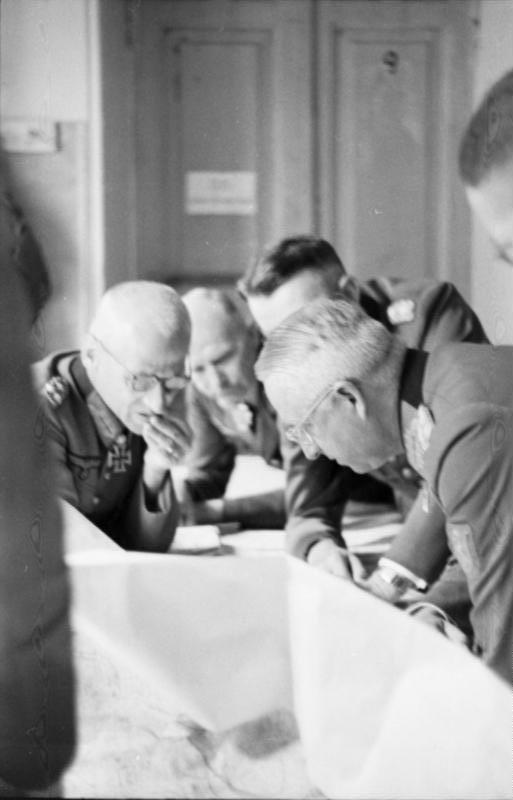
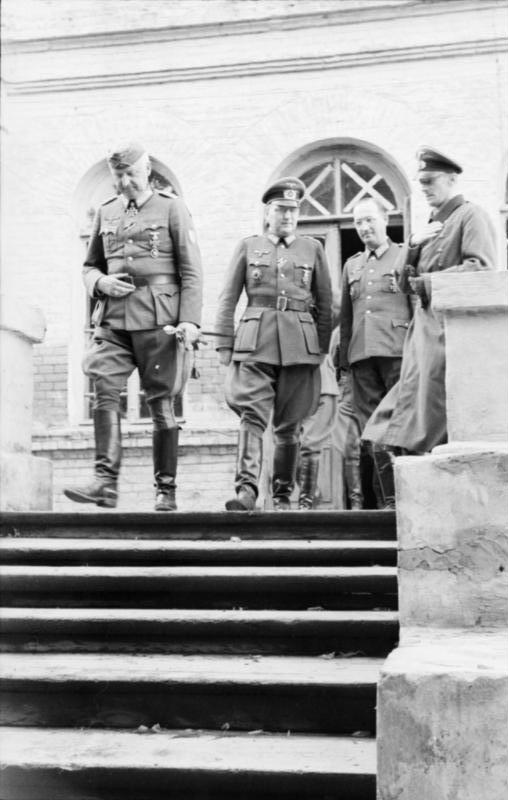
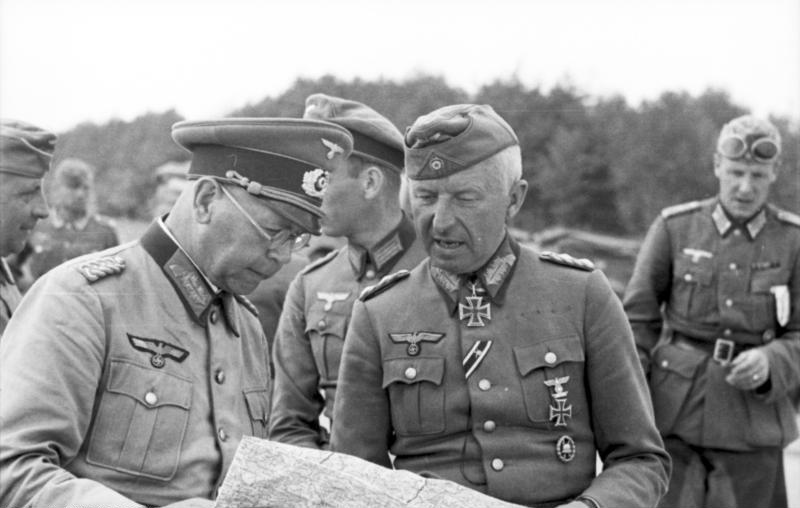
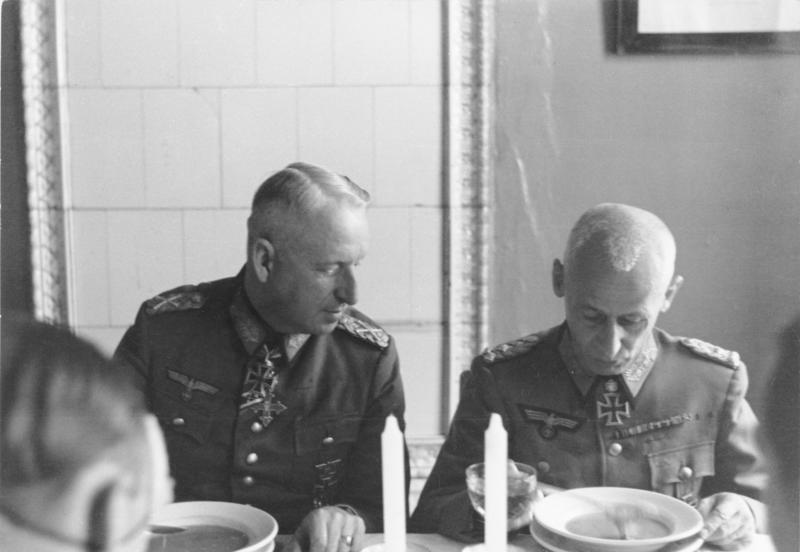
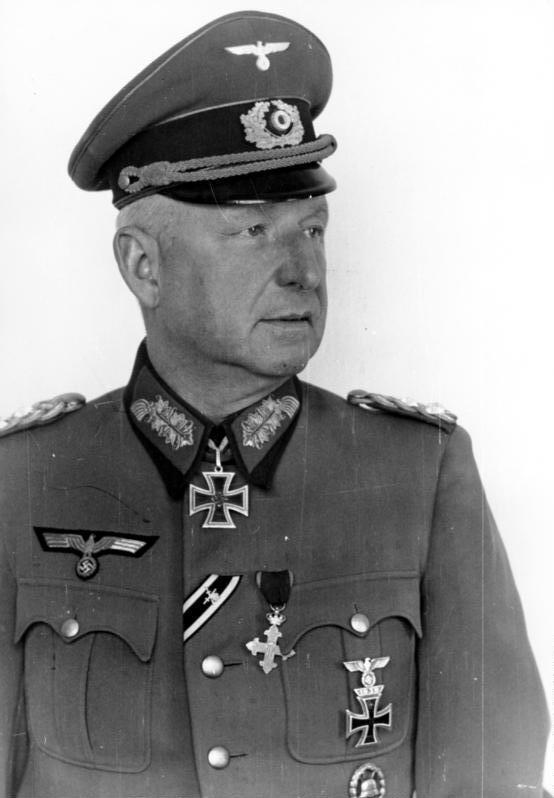
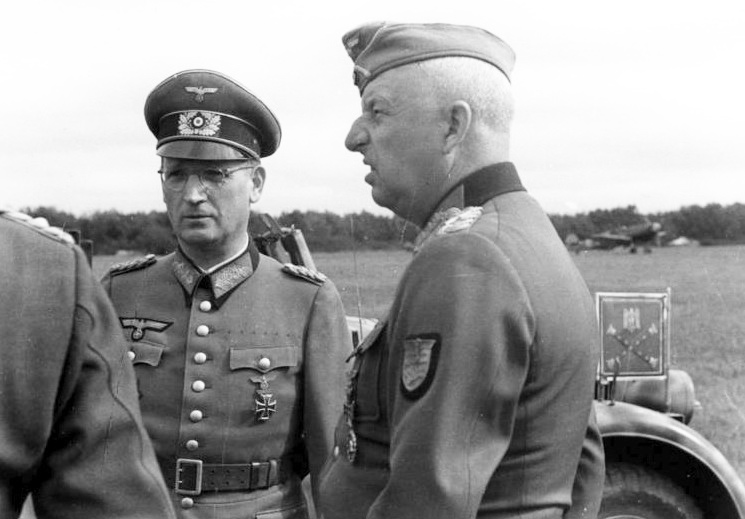
Frequently Asked Questions
Who is Erich von Manstein?
Erich von Manstein was a German Generalfeldmarschall who served in the Heer during World War II. He is widely regarded as one of the most skilled operational commanders of the conflict.
What is Erich von Manstein most famous for?
He is best known for conceiving the Sichelschnitt encirclement maneuver that broke through the Ardennes during the 1940 invasion of France. He also led the Third Battle of Kharkov and the failed Operation Winter Storm relief attempt at Stalingrad.
What happened to Manstein after World War II?
He was tried and convicted of war crimes, serving time in a British prison before being released. In his later years he became a central figure in promoting the 'clean Wehrmacht' narrative that downplayed Nazi involvement in atrocities.
What was Manstein's role on the Eastern Front?
He commanded Army Group South and later Army Group Don, leading major operations including the Kharkov counteroffensive and the Battle of Kursk. His most notable failure was the inability to relieve the encircled Sixth Army at Stalingrad.
Why is Erich von Manstein considered important in military history?
His strategic innovations, particularly the encirclement tactics used in France and Kharkov, are still studied in military academies worldwide. He remains a polarizing figure because of his tactical brilliance alongside his war-crimes conviction and his postwar role in shaping a sanitized view of the German army.
More in Military Commanders Of The World Wars 1-24
Spotted an error? Know more?
This is a living reference — every entry is fact-audited, and reader corrections feed straight into our audit queue. Suggest an edit · See this site's audit record