Frederic John Walker
British Royal Navy officer and anti-submarine warfare commander.

Frederic Leighton · Public domain
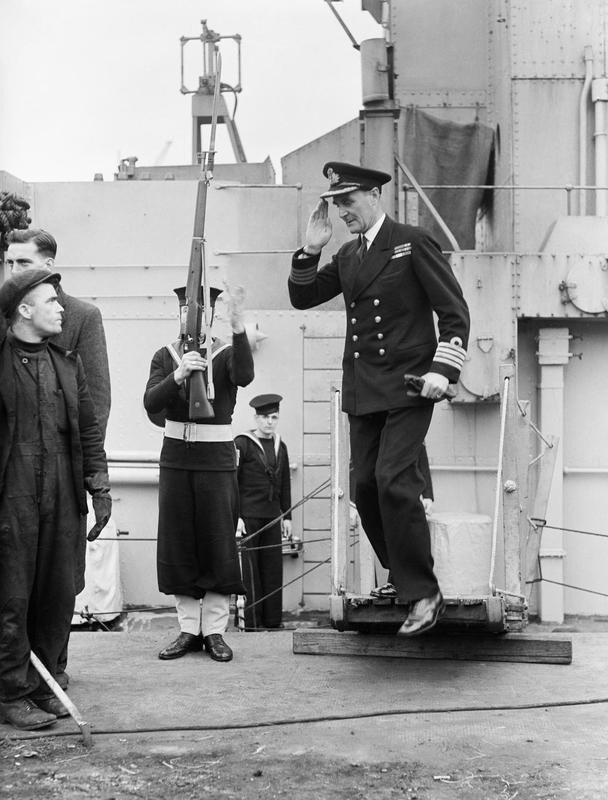
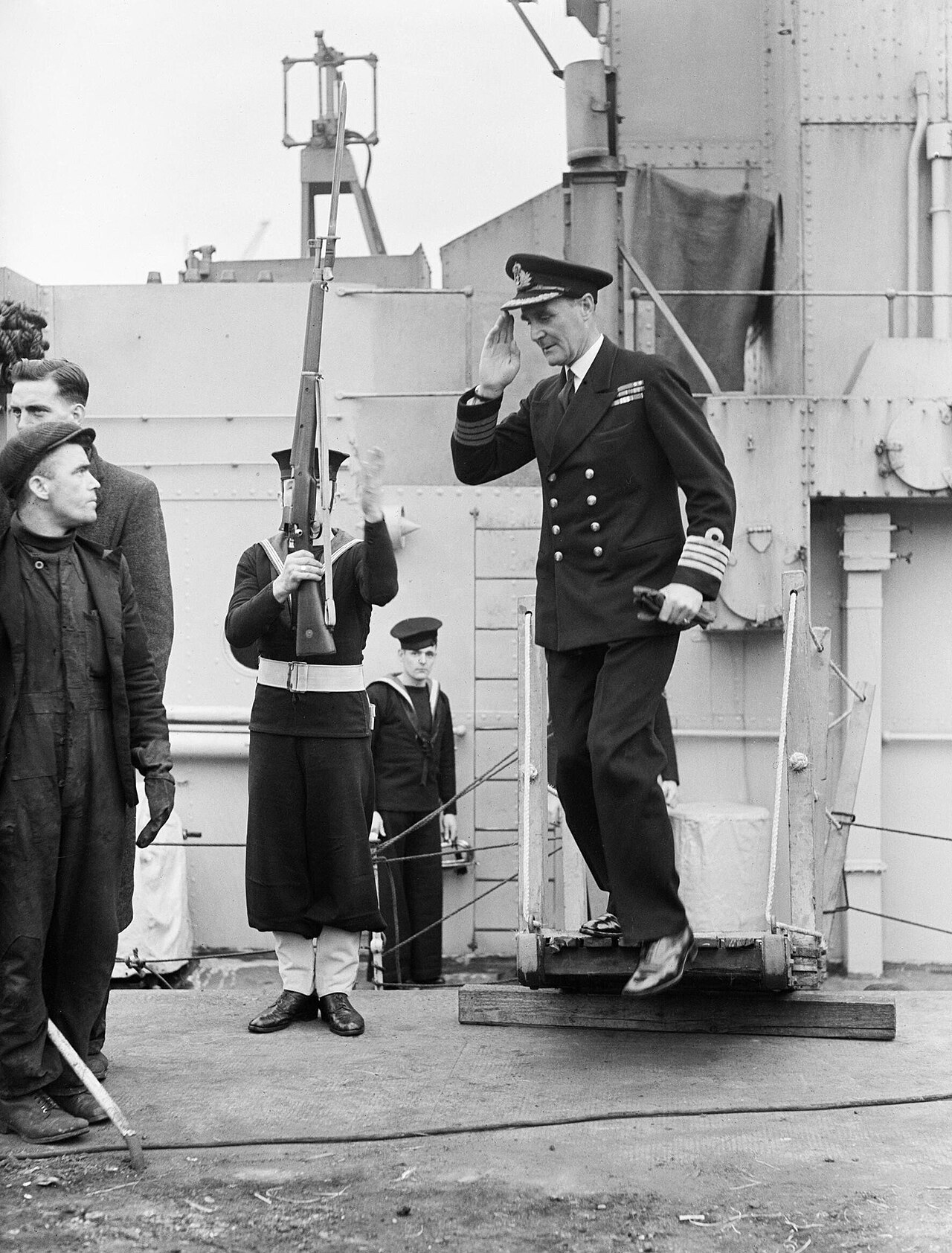
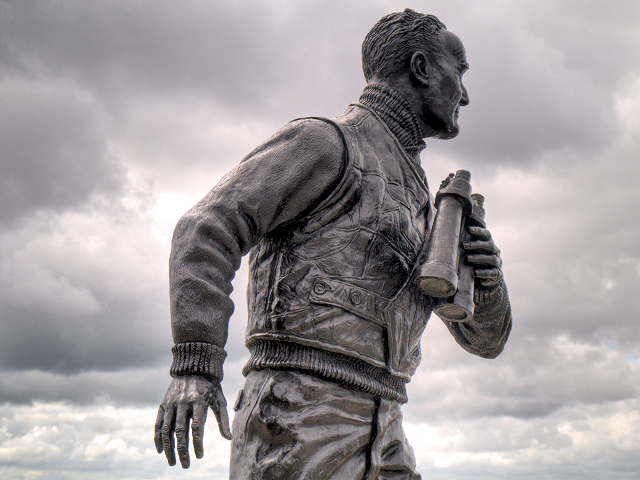
Captain Frederic John Walker (3 June 1896 – 9 July 1944) was a British Royal Navy officer noted for his exploits during the Second World War. Walker was the most successful anti-submarine warfare commander during the Battle of the Atlantic, and was known popularly as Johnnie Walker (after the Johnnie Walker brand of whisky). His first name is given as Frederick in the Oxford Dictionary of National Biography and some London Gazette entries.
- born
- 3 June 1896
- died
- 9 July 1944
- field
- Anti-submarine warfare
- nationality
- British
- known_for
- Most successful anti-submarine warfare commander in the Battle of the Atlantic
Verified Timeline
Lore & Background
Walker was born in Plymouth, the son of Frederic Murray and Lucy Selina (née Scriven) Walker. He joined the Royal Navy as a cadet in 1909 and was educated at the Royal Naval Colleges at Osborne and Dartmouth, where he excelled. First serving on the battleship Ajax as a midshipman, Walker as a sub-lieutenant went on to join the destroyers Mermaid and Sarpedon in 1916 and 1917 respectively. Following the end of the First World War, Walker joined the Queen Elizabeth-class battleship Valiant. He married Jessica Eileen Ryder Stobart, with whom he had three sons and a daughter. During the interwar period Walker entered the field of anti-submarine warfare. He took a course at the newly founded anti-submarine warfare training school of HMS Osprey, on the Isle of Portland, which was established in 1924. Walker consequently became an expert in this particular type of warfare, and was appointed to a post specialising in this field, serving in a number of capital ships. In May 1933 he was promoted to commander and took charge of the First World War destroyer Shikari. In December 1933 Walker took command of the Shoreham-class sloop Falmouth based on the China Station. In April 1937 Walker became the Experimental Commander at HMS Osprey.
Reader's Guide
Walker received his own command in October 1941, taking control of the 36th Escort Group, commanding from the Bittern-class sloop Stork. His first chance to test his innovative methods came in December 1941, when his group escorted Convoy HG 76 (32 ships). During the journey five U-boats were sunk, four by Walker's group, including U-574 which was depth-charged and rammed by Walker's own ship on 19 December 1941. This is sometimes described as the first true Allied convoy victory in the Battle of the Atlantic. He was appointed a Companion of the Distinguished Service Order (DSO) on 6 January 1942. In June 1942, Walker was promoted to captain dating from 30 June 1942 and he was awarded the first Bar to his DSO in July 1942. In 1943 he became commander of the 2nd Support Group, leading from Starling, a newly commissioned Black Swan-class sloop. One eccentric aspect of his charismatic nature was the playing of the tune A Hunting We Will Go over the ship's Tannoy when returning to its base. In early 1944 Walker's group displayed its efficiency against U-boats by sinking six in one patrol. On 20 February 1944, one ship of Walker's group, HMS Woodpecker, was torpedoed and sank seven days later while being towed home; all of her crew were saved. Walker's last duty was protecting the fleet from U-boats during the Normandy landings. He did this successfully for two weeks; no U-boats managed to get past Walker and his vessels, and many U-boats were sunk or damaged in the process. He was awarded the third bar to his DSO on 13 June 1944, and was again Mentioned in Despatches on 20 June 1944. Walker suffered a cerebral thrombosis on 7 July 1944, and he died two days later at the Royal Naval Hospital at Seaforth, Merseyside, at the age of 48. His death was attributed to overwork and exhaustion. His funeral service, attended by about 1,000 people, took place at Liverpool Cathedral with full naval honours.
Did You Know?
- Walker was known popularly as Johnnie Walker, after the Johnnie Walker brand of whisky.
- He was Mentioned in Despatches for his work during the Operation Dynamo evacuation from Dunkirk.
- Walker's own ship Starling sank U-574 by depth-charging and ramming on 19 December 1941.
- His son, Timothy Walker, was killed when the submarine HMS Parthian was lost in early August 1943.
- Walker was slated to take command of an aircraft carrier and be promoted to flag rank, but died before this could happen.
Early Life and Naval Foundations
Walker entered the world in Plymouth on 3 June 1896, the child of Frederic Murray and Lucy Selina Walker (née Scriven). His path toward the sea was set early: in 1909 he entered the Royal Navy as a young cadet and went on to distinguish himself at the Royal Naval Colleges at both Osborne and Dartmouth. His first posting placed him aboard the battleship Ajax as a midshipman, but the outbreak of the First World War quickly moved him into the faster, more dangerous world of destroyer warfare. As a sub-lieutenant he served aboard the Mermaid in 1916 and the Sarpedon the following year. After the armistice he transferred to the Queen Elizabeth-class battleship Valiant, where he continued to build the seamanship and leadership skills that would define his career. During this period he also settled his personal life, marrying Jessica Eileen Ryder Stobart; together they raised three sons and a daughter. His first name appears in some official records, including the Oxford Dictionary of National Biography and certain London Gazette entries, as Frederick rather than Frederic.
Forging an Anti-Submarine Specialist
Between the wars, Walker deliberately steered his career toward a niche that few officers pursued: anti-submarine warfare. He enrolled at the newly established training school aboard HMS Osprey on the Isle of Portland, founded in 1924, and emerged as a genuine expert in the discipline. That expertise earned him a dedicated posting in the field, during which he served aboard several capital ships. His command career accelerated through the 1930s: in May 1933 he was promoted to commander and given the destroyer Shikari, a vessel that had seen service in the previous war. Just seven months later, in December 1933, he took the helm of the Shoreham-class sloop Falmouth, which was assigned to the China Station—a posting that would have exposed him to very different operational conditions. By April 1937 he had returned to his true passion, accepting the role of Experimental Commander at HMS Osprey, the very institution where he had first trained. This position placed him at the forefront of developing new tactics and techniques for hunting the undersea threat, a preparation that would prove invaluable when war came.
The Convoy That Changed the Atlantic
In 1940 Walker was serving as Operations Staff Officer to Vice-Admiral Sir Bertram Ramsay, a role in which he helped coordinate the extraordinary Dunkirk evacuation—Operation Dynamo—during which more than 338,000 British and French soldiers were pulled from the beaches of France and brought back to England or Brittany. His contribution earned a Mention in Despatches. Yet despite his growing reputation, Walker still lacked his own command. That changed in October 1941 when he was given the 36th Escort Group, operating from the Bittern-class sloop Stork out of Gladstone Dock in Bootle. The group comprised two sloops and six corvettes, primarily tasked with escorting convoys to and from Gibraltar. The defining moment came in December 1941 with Convoy HG 76, a formation of thirty-two ships. Walker's group sank four of the five U-boats that attacked, including U-574, which his own ship both depth-charged and rammed on 19 December. The convoy lost the escort carrier Audacity, the destroyer Stanley, and two merchant vessels. Historians often regard this as the first genuine Allied convoy victory in the Battle of the Atlantic. Walker received the DSO in January 1942 and was promoted to captain by June of that year.
The Hunter, the Loss, and the Legacy
In 1943 Walker took command of the 2nd Support Group, a force of six sloops based again at Bootle, from which he led aboard the newly commissioned Black Swan-class sloop Starling. Unlike the escort groups he had previously commanded, this unit was designed to actively hunt and destroy U-boats rather than simply shadow convoys—a concept Walker himself had proposed to Commander-in-Chief Western Approaches, Sir Max Horton. The pairing of aggressive tactics with a determined specialist produced extraordinary results: in June 1943 alone, Starling sank two submarines, and in July the group destroyed two more in the Bay of Biscay after Walker signalled a General Chase against three surfaced U-boats. A lighter touch in his otherwise fierce command was his habit of broadcasting A Hunting We Will Go over the ship's loudspeaker upon returning to port. The personal cost was devastating: in early August 1943 his son Timothy was killed when the submarine HMS Parthian was lost in the Mediterranean. Walker continued to lead, sinking further U-boats in November 1943 and, in early 1944, claiming six in a single patrol. He died on 9 July 1944, remembered popularly as Johnnie Walker, a nod to the famous whisky brand.
Gallery
Frequently Asked Questions
Who is Frederic John Walker?
He was a British Royal Navy officer who served during the Second World War, specializing in hunting enemy submarines. He is widely regarded as the most effective anti-submarine warfare commander of the entire Battle of the Atlantic.
What was Frederic John Walker's primary role in WWII?
Walker led anti-submarine operations tasked with tracking and destroying German U-boats threatening Allied shipping lanes. His tactical approach made him the top-performing submarine hunter of the conflict.
Why was Frederic John Walker nicknamed "Johnnie Walker"?
The nickname was drawn from the well-known Johnnie Walker whisky brand, a common cultural association for the name in Britain. It became his popular moniker among crew and colleagues throughout his wartime service.
How did Frederic John Walker's life end?
Walker passed away on 9 July 1944, just weeks after the Allied landings in Normandy. He had been born on 3 June 1896, living to the age of 48.
Why is Frederic John Walker considered important in military history?
He holds the distinction of being the most successful anti-submarine warfare commander throughout the Battle of the Atlantic. His record of sinking or damaging enemy submarines set a benchmark that no other Allied officer surpassed during the war.
More in Military Commanders Of The World Wars 1-24
Spotted an error? Know more?
This is a living reference — every entry is fact-audited, and reader corrections feed straight into our audit queue. Suggest an edit · See this site's audit record