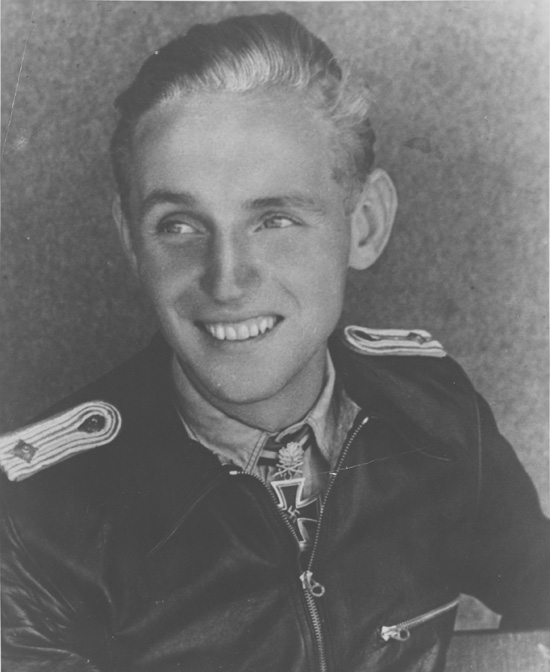
Erich Hartmann
German fighter pilot with 352 confirmed aerial victories.

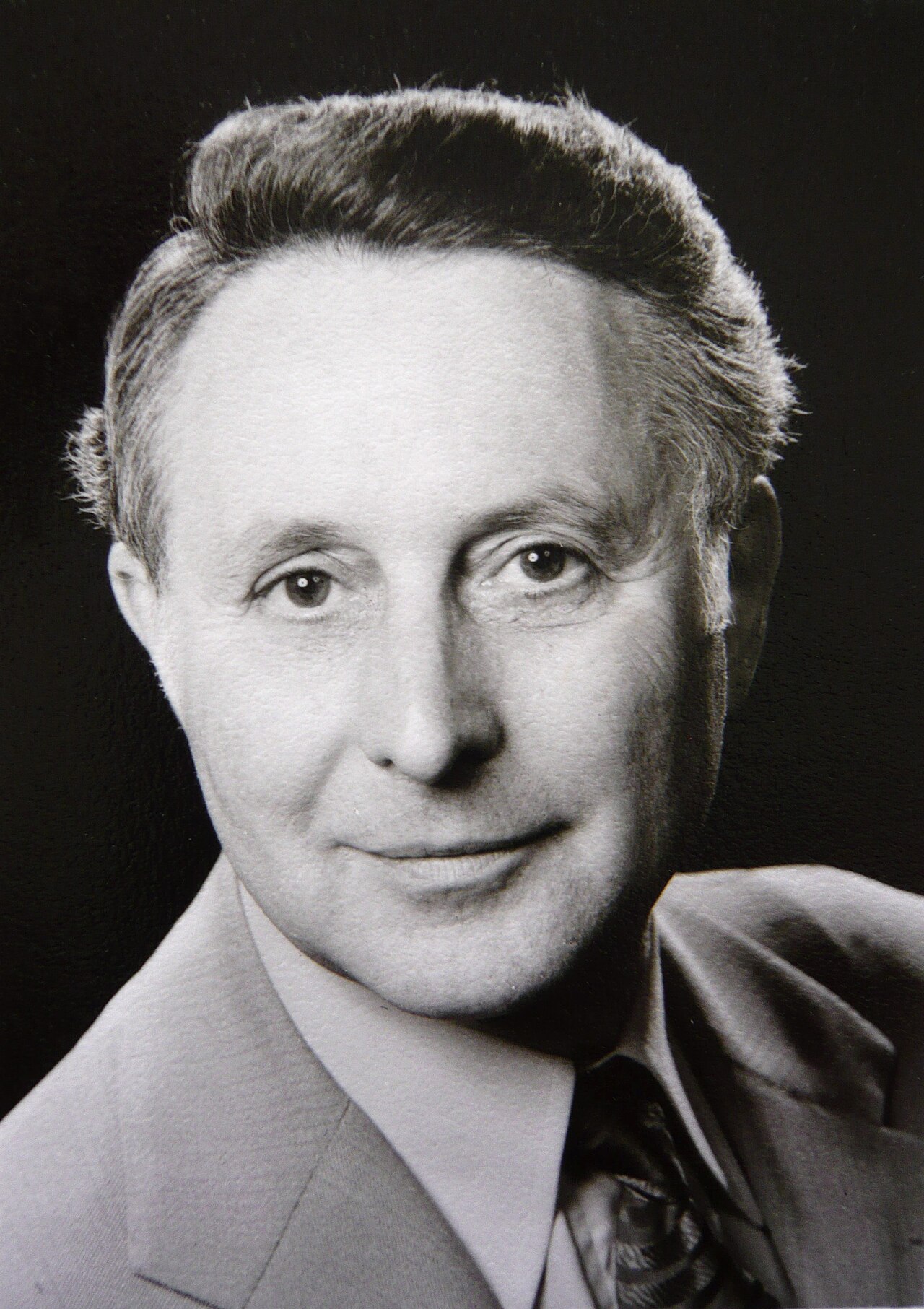
Studio Urbschat · CC BY-SA 3.0
Erich Alfred Hartmann (19 April 1922 – 20 September 1993), nicknamed Bubi, was a German fighter pilot during World War II and the most successful fighter ace in the history of aerial warfare. He flew 1,404 combat missions and participated in aerial combat on 825 separate occasions. He was credited with shooting down a total of 352 Soviet aircraft while serving with the Luftwaffe. During his career, Hartmann was forced to crash-land his fighter 16 times after either mechanical failure or damage received from parts of enemy aircraft he had shot down; he was never shot down by direct enemy action.
- born
- 19 April 1922
- died
- 20 September 1993
- field
- Fighter pilot
- nationality
- German
- known_for
- Most successful fighter ace in history; 352 aerial victories
Verified Timeline
Lore & Background
Hartmann, a pre-war glider pilot, joined the Luftwaffe in 1940 and completed his fighter pilot training in 1942. He was posted to the veteran Jagdgeschwader 52 (JG 52) on the Eastern Front and placed under the supervision of some of the Luftwaffe's most experienced fighter pilots. Under their guidance, Hartmann steadily developed his tactics. He adopted the tactic 'See – Decide – Attack – Break', learned from Oberfeldwebel Edmund 'Paule' Roßmann, who had been injured in one arm and could not fly in physically demanding dogfights. Roßmann's solution was to 'stand off', evaluate the situation, then select a target that was not taking evasive action and destroy it at close range. Hartmann flew his first combat mission on 14 October 1942 as Roßmann's wingman. When they encountered 10 enemy aircraft below, an impatient Hartmann opened full throttle and separated from Roßmann. He engaged an enemy fighter, failed to score any hits, nearly collided with it, ran for cover in low cloud, and crash-landed after running out of fuel. Gruppenkommandeur Major Hubertus von Bonin sentenced him to three days of working with the ground crew. Twenty-two days later, Hartmann claimed his first victory, an Ilyushin Il-2 Sturmovik. By the end of 1942, he had added only one more victory. On 29 October 1943, Hartmann was awarded the Knight's Cross of the Iron Cross for destroying 148 enemy aircraft and the Oak Leaves for destroying 202 enemy aircraft on 2 March 1944. Exactly four months later, he received the Swords for shooting down 268 enemy aircraft. Ultimately, Hartmann earned the Knight's Cross of the Iron Cross with Oak Leaves, Swords and Diamonds on 25 August 1944 for 301 aerial victories. He achieved his 352nd and last aerial victory in the morning on 8 May 1945, hours before the German surrender. Along with the remainder of JG 52, he surrendered to United States Army forces and was turned over to the Red Army. In an attempt to pressure him into service with the Soviet-aligned East German National People's Army, he was tried on war crimes charges and convicted. Hartmann was initially sentenced to 20 years of imprisonment, later increased to 25 years, and spent 10 years in Soviet prison camps and gulags until he was released in 1955. In 1997, the Russian Federation posthumously cleared him of all charges. In 1956, Hartmann joined the newly established West German Luftwaffe in t
Reader's Guide
Erich Hartmann's significance lies in his unmatched record of 352 aerial victories, a figure that remains the highest in aerial warfare history. His career illustrates the evolution of fighter tactics on the Eastern Front, where he emphasized situational awareness and disciplined engagement over reckless aggression. A key moment came early: after his first mission ended in a crash landing for violating every rule of air-to-air combat, he was sentenced to three days working with ground crew. He later adopted the credo 'Fly with your head, not with your muscles.'
Hartmann's post-war experiences—including a controversial war crimes conviction, a decade in Soviet captivity, and eventual posthumous clearance by the Russian Federation in 1997—highlight the complex legacy of Luftwaffe personnel in the Cold War context. His later opposition to the F-104 Starfighter procurement, based on safety concerns, reflects his continued focus on pilot welfare. Hartmann's life and career serve as a case study in both the technical and human dimensions of aerial combat, as well as the political and legal aftermath of World War II.
Did You Know?
- Hartmann was nicknamed 'Bubi' due to his youthful appearance.
- He was forced to crash-land his fighter 16 times, but was never shot down by direct enemy action.
- On 31 March 1942, he was confined to quarters for a week for performing aerobatics over Zerbst airfield; his roommate took his scheduled flight and was killed in a crash.
- Hartmann's 352nd and last victory came at midday on 8 May 1945, hours before the German surrender.
- In 1997, the Russian Federation posthumously cleared him of all war crimes charges.
The Record That Defined Aerial Combat
Few names in the history of aerial warfare carry the weight of Erich Hartmann, known to his comrades simply as Bubi. Serving with the veteran 52nd Fighter Wing on the Eastern Front, he flew a staggering 1,404 combat sorties and found himself in active aerial combat on 825 separate occasions. His tally stands at 352 confirmed Allied aircraft destroyed—345 of them Soviet and 7 American—making him the most prolific fighter ace ever recorded. Remarkably, despite being forced to crash-land his machine sixteen times due to mechanical failures or debris from aircraft he had just shot down, he was never brought down by direct enemy fire. His final victory came at midday on 8 May 1945, mere hours before Germany's surrender. That same day, alongside the rest of his wing, he surrendered to American forces and was subsequently handed over to the Red Army, beginning a chapter of his life that would keep him behind bars for a decade.
From Glider Fields to the Cockpit
Hartmann's relationship with flight began in childhood. Born in Weissach in 1922, he spent his earliest years in China while his physician father sought work abroad, before the family returned in 1928 amid the Chinese Civil War. His mother, Elisabeth, was among the first women in Germany to earn a glider pilot's qualification, and she taught young Erich to fly. When the family's small aircraft had to be sold during the economic collapse of 1932, his passion for the sky only deepened. By 1936, his mother had founded a local glider club, and the fourteen-year-old Hartmann was instructing Hitler Youth members. He earned his powered-aviation license in 1937. Military training began in October 1940, and by March 1941 he was at the Air War School in Berlin-Gatow, logging his first solo flight within three weeks. A disciplinary incident in March 1942—unauthorized aerobatics over a training airfield—cost him a week of confinement and two-thirds of his pay, yet he later credited that punishment with saving his life, as his roommate crashed and died in the flight Hartmann had been scheduled to fly. Afterward, he adopted a philosophy he passed to fellow trainees: fly with your head, not your muscles.
The Highest Honors of the Reich
Hartmann's progression through Germany's military decoration system was remarkably rapid. On 29 October 1943, he received the Knight's Cross of the Iron Cross for destroying 148 enemy aircraft. Just four and a half months later, on 2 March 1944, the Oak Leaves were added to his cross in recognition of 202 victories. Exactly four months after that, the Swords to the Knight's Cross with Oak Leaves followed for 268 aerial kills. The culmination came on 25 August 1944, when he was presented with the Knight's Cross of the Iron Cross with Oak Leaves, Swords and Diamonds for 301 confirmed victories. At the moment of its presentation, this was the highest military decoration in all of Germany. The pace of his advancement—four distinct levels of the Knight's Cross in under ten months—reflected the extraordinary density of combat he faced on the Eastern Front. Each new award was tied to a specific threshold of kills, and Hartmann crossed those thresholds with a speed that few in Luftwaffe history could match. His service under the veteran pilots of Jagdgeschwader 52, where he was placed under their direct supervision, clearly shaped the tactical discipline that produced such results.
Beyond the War: Imprisonment, Rebuilding, and the Final Flight
The war's end brought no peace for Hartmann. After surrendering to American forces on 8 May 1945, he was handed over to the Red Army, who tried him on war crimes charges and convicted him. The stated motivation was to pressure him into joining the Soviet-aligned East German National People's Army. His sentence of twenty years was later increased to twenty-five, and he spent a decade in Soviet prison camps and gulags before his release in 1955. It was not until 1997 that the Russian Federation posthumously cleared him of all charges. Back in West Germany, Hartmann joined the newly established Luftwaffe of the Bundeswehr in 1956 and became the first Geschwaderkommodore of Jagdgeschwader 71 'Richthofen.' His second military career ended abruptly in 1970 when he was forced into retirement for publicly opposing the procurement of the F-104 Starfighter on safety grounds. In his later years, he found a quieter purpose as a civilian flight instructor, passing on the same disciplined approach to flying that had defined his youth. Erich Hartmann died on 20 September 1993, at the age of seventy-one.
Gallery
Frequently Asked Questions
Who is Erich Hartmann?
Erich Hartmann was a German Luftwaffe fighter pilot in World War II, recognized as the most successful aerial combat ace in history. Over the course of his career he flew 1,404 combat missions and was credited with 352 confirmed kills, every one against Soviet aircraft.
What is Erich Hartmann's nickname?
He was commonly called "Bubi," a familiar German diminutive that fellow airmen and ground crews used throughout his service.
How many aerial victories did Erich Hartmann achieve?
Hartmann was credited with shooting down 352 Soviet aircraft. He engaged in aerial combat on 825 separate occasions spread across his 1,404 combat sorties.
Was Erich Hartmann ever shot down by the enemy?
No. Although he was forced to crash-land his fighter 16 times—due to mechanical failures or debris from planes he had already destroyed—he was never brought down by direct enemy fire.
Why is Erich Hartmann considered the most important fighter ace of the two world wars?
His 352 confirmed kills remain the all-time record for a single pilot in aerial warfare, a figure no other aviator in either conflict has matched. The fact that every victory came against Soviet opponents on the Eastern Front makes his record even more remarkable.
More in Military Commanders Of The World Wars 1-24
Spotted an error? Know more?
This is a living reference — every entry is fact-audited, and reader corrections feed straight into our audit queue. Suggest an edit · See this site's audit record